
TL;DR
In-person hypnotherapy can be a strong fit when you want a private, grounded setting and a practitioner who can track your comfort, pacing, and goals in real time. You stay aware and in control during clinical hypnosis, and the work is personalized around the pattern you want to change. For many San Diego clients, the value is the combination of focused attention, nervous-system calming, and practical follow-through.
You stay in control
Clinical hypnosis is focused attention and relaxation, not mind control or sleep.
The room matters
A calm office can help the body settle before deeper subconscious work begins.
The plan is personal
Leticia adapts the session to your goals, comfort, history, and pace.
Table of Contents
Why Choose In-Person Hypnotherapy?
In-person hypnotherapy gives you a dedicated place to pause, breathe, and focus on the change you want. That may sound simple, but environment matters. When you step away from work, family noise, screens, and the usual cues of daily life, your mind often has an easier time entering a calmer and more receptive state.
Mayo Clinic describes hypnosis as a changed state of awareness and increased relaxation that allows for improved focus and concentration. That focus is the point. In a session, Leticia can help you narrow attention away from the usual noise and toward the subconscious pattern you want to shift.
People often choose in-person sessions when the goal feels emotionally meaningful, when they are new to hypnosis, or when they want the reassurance of working face to face. It can also be helpful for clients who want support with anxiety, stress, smoking, weight habits, confidence, sleep routines, fears, or a general sense of being stuck.
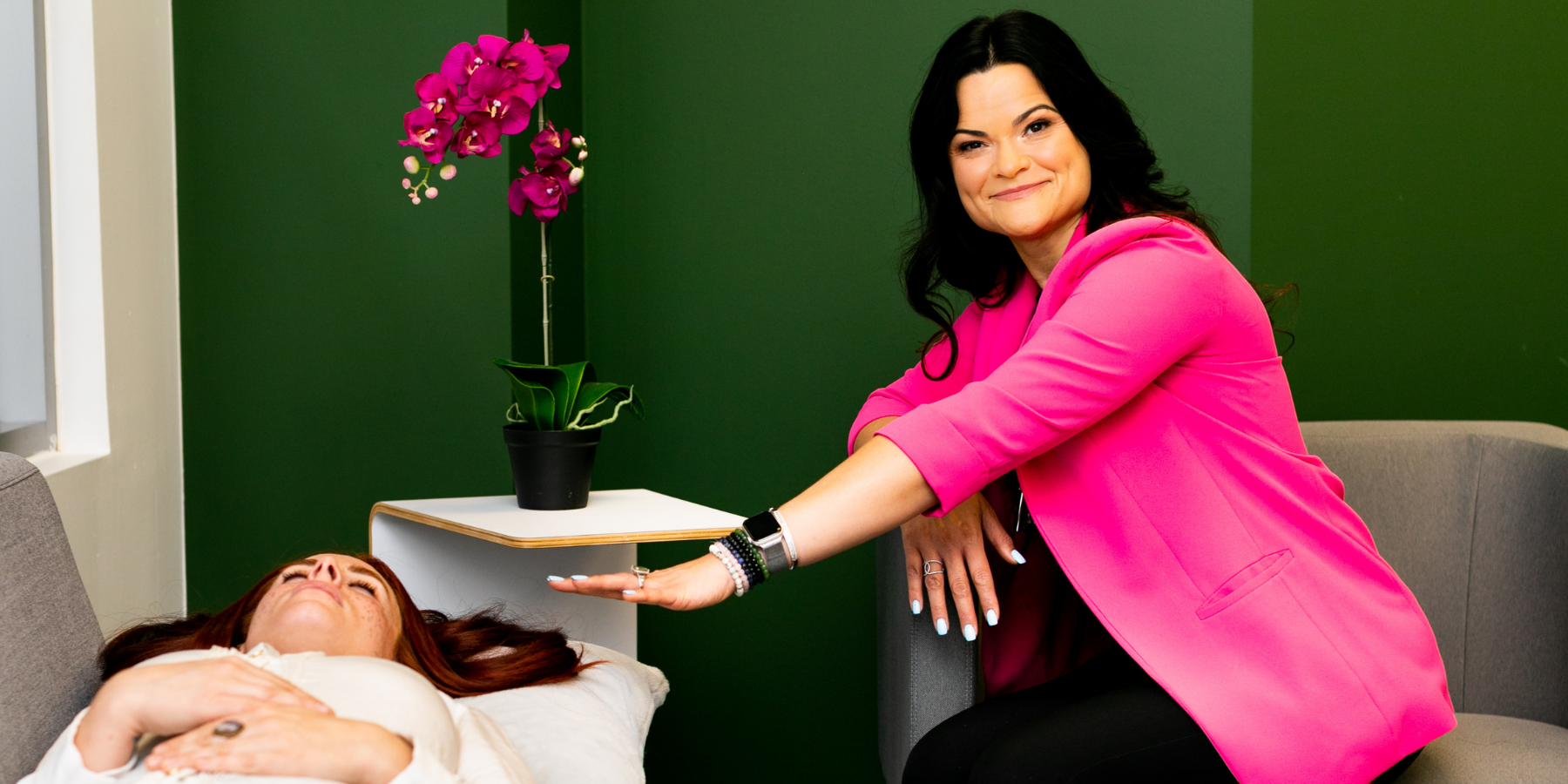
In-person does not mean more powerful for every person. It means more contained, more tactile, and often easier for people who want a clear separation between everyday life and the session space.
What Happens During the Session
A first session usually begins with a conversation. Leticia will ask what you want to change, what you have already tried, what tends to trigger the pattern, and what a successful outcome would actually look like in daily life. The conversation helps shape the hypnosis portion so the suggestions are specific rather than generic.
During hypnosis, you are guided into a calm state using language, imagery, breath, and focused attention. You are not unconscious. You can hear, respond, adjust, and stop if you need to. Mayo Clinic specifically notes that people do not lose control over their behavior during hypnosis.
The session may include relaxation, subconscious suggestion, future rehearsal, emotional reframing, or self-hypnosis tools you can practice between appointments. The goal is to help your mind and body experience the new response, not merely think about it.
Who In-Person Hypnosis May Be Good For
In-person hypnotherapy may be a good fit if you are craving accountability, privacy, and a calm professional space. It may also be useful if your body tends to feel activated and you want someone to help you slow the pace and regulate before deeper work begins.
The demand for this kind of support is real. NIMH estimates that 19.1 percent of U.S. adults experience an anxiety disorder in a given year, and 31.1 percent experience one at some point in life. Not every person seeking hypnosis has an anxiety disorder, but many are looking for a calmer relationship with stress, uncertainty, habits, and emotion.
In-person work is not only for anxiety. Clients also use hypnosis to support behavior change, smoking cessation, confidence, sleep routines, weight-related habits, stress recovery, and phobia work. Results vary, and hypnosis is best viewed as one part of a practical change plan.
How It Compares With Online Hypnosis
Online hypnosis can work well for many people, especially when scheduling, distance, mobility, or privacy at home are important. The core hypnotic process is still based on attention, relaxation, imagery, and suggestion.
In-person sessions may feel different because the space itself becomes part of the ritual. You arrive, sit down, settle, and let the outside world wait. For some people, that helps the subconscious mind engage more easily. For others, home feels safer and more convenient. The better option is the one you can actually relax into and attend consistently.
How to Prepare
You do not need special preparation for hypnosis. Mayo Clinic suggests comfortable clothing and being well rested. It also helps to bring a clear goal, even if the goal is still rough. Instead of saying, ‘I want to be less stressed,’ you might think about what less stressed would look like: better sleep, fewer spirals, calmer conversations, less emotional eating, or more confidence at work.
You can also write down questions. Good questions include how hypnosis works, what you will remember, how many sessions may be recommended, whether your goal is a good fit, and what you can practice between sessions.

Related Hypnotherapy Services
These service pages can help you explore the next step with Leticia.
If you are considering in-person hypnotherapy in San Diego, start with a simple conversation. Book a discovery call with Leticia to talk through your goals and decide whether this is the right fit.