

Complementary support for recovery
San Diego Hypnosis for Addiction Recovery Support
Addiction can affect health, relationships, finances, work, and the way you see yourself.
Hypnotherapy may complement appropriate addiction care by helping you work with triggers, craving patterns, stress responses, and the beliefs that can make relapse feel automatic.
Over 160 five-star reviews on Google


The Pattern Often Has Emotional and Situational Layers
A substance or compulsive behavior may become connected with relief, escape, belonging, reward, numbness, or surviving a difficult moment.
Personalized hypnosis focuses on those learned associations while respecting the medical, psychological, and social support that safe recovery may require.
Areas sessions may explore
- Situations and emotions that tend to activate cravings
- Stress responses connected with previous relapse patterns
- Shame or defeat that makes another attempt feel impossible
- Mental rehearsal for high-risk moments and difficult choices
- Daily routines that support recovery and accountability
What Personalized Sessions Can Focus On
Recognize the pattern
Clarify the emotional, environmental, and interpersonal cues connected with the addictive behavior.
Rehearse recovery choices
Practice coping responses and decisions for moments when an urge, trigger, or old narrative returns.
Reinforce ongoing support
Connect hypnosis with the treatment plan, recovery community, medical care, and practical accountability you need.
Individual experiences, timelines, and results vary.
How Hypnosis Can Complement Addiction Recovery
Hypnosis uses focused attention, guided imagery, and personalized rehearsal to work with automatic responses. It is one supportive tool, not a substitute for comprehensive addiction care.
Learn About Virtual SessionsThe work may include
- Identify the thoughts, feelings, and situations linked with urges
- Practice calming and grounding responses under pressure
- Strengthen motivation connected with personal values and relationships
- Mentally rehearse reaching for support before a lapse escalates
Alcohol, benzodiazepine, opioid, and other substance withdrawal can be medically dangerous. Do not stop a substance or prescribed medication abruptly without qualified medical guidance. For an emergency, call 911. In the United States, call or text 988 for crisis support.
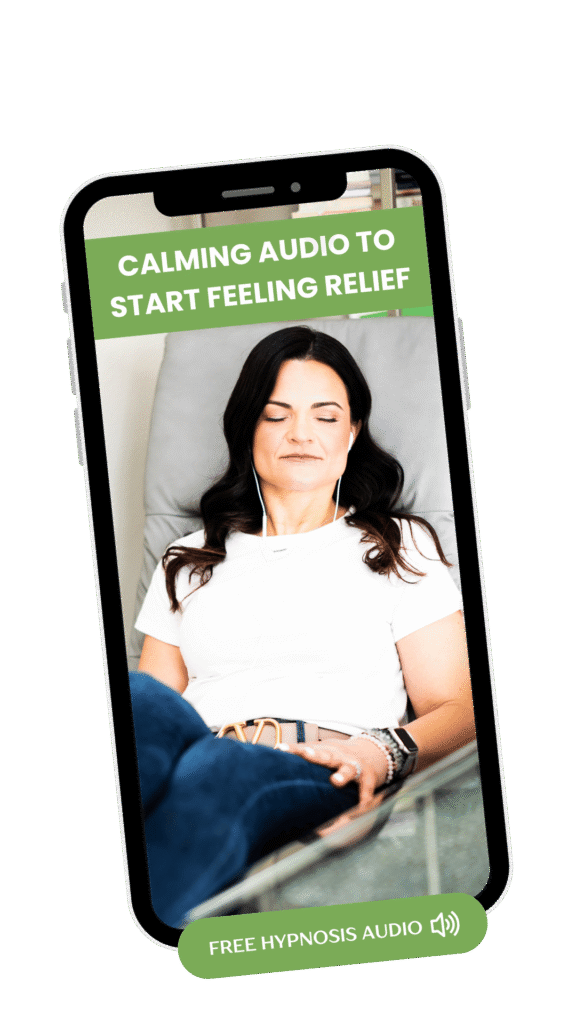
Start With Leticia’s Free Calming Audio
Experience a gentle guided relaxation practice at home. The audio is not individualized care and does not replace medical, mental health, or addiction services.
Get the Free Calming AudioChoose the Setting That Supports Your Focus
La Jolla / UTC
4445 Eastgate Mall #200, San Diego, CA 92121.
Learn moreMission Valley
2650 Camino Del Rio N, 1st Floor, San Diego, CA 92108.
Learn moreJoin from a private space
Meet with Leticia by secure video when virtual support is appropriate.
Learn moreCommon Questions About Hypnosis and Addiction Recovery
Can hypnotherapy help with addiction?
Hypnotherapy may complement recovery by addressing triggers, emotional associations, craving responses, and mental rehearsal. It is not a standalone cure and does not replace appropriate medical or behavioral treatment.
What kinds of addiction can sessions address?
A discovery call can explore substance use or a compulsive behavior such as gambling or spending. The first question is always whether hypnosis is appropriate and what other professional support is needed.
Is hypnotherapy a replacement for detox or addiction treatment?
No. Detoxification, medication, residential care, outpatient treatment, psychotherapy, peer recovery, or medical supervision may be essential. Hypnosis is complementary support.
Can withdrawal be dangerous?
Yes. Withdrawal from alcohol, benzodiazepines, opioids, and some other substances can be dangerous. Seek qualified medical guidance and never rely on hypnosis to manage medical withdrawal.
How can hypnosis address relapse patterns?
Sessions may identify high-risk situations and rehearse responses such as grounding, leaving an environment, contacting support, or following an established recovery plan.
Do I have to be ready to change?
Your willingness matters. It is normal to feel ambivalent, and a discovery call can help clarify whether you are ready to participate and what support would make change safer.
What happens during a session?
Leticia begins with your current recovery plan and goals, then may use relaxation, imagery, personalized suggestions, and rehearsal. You remain aware and in control.
How many sessions will I need?
There is no universal number. The appropriate plan depends on the behavior, severity, safety considerations, professional care already in place, and your individual response.
Can sessions be done online?
Yes, when virtual care is appropriate and you can participate safely from a private space. Some situations require local medical or mental health services instead.
What should I do in a crisis?
Call 911 for an immediate emergency. In the United States, call or text 988 for crisis support. For treatment referrals, SAMHSA’s National Helpline is 1-800-662-HELP (4357).
Explore Connected Services

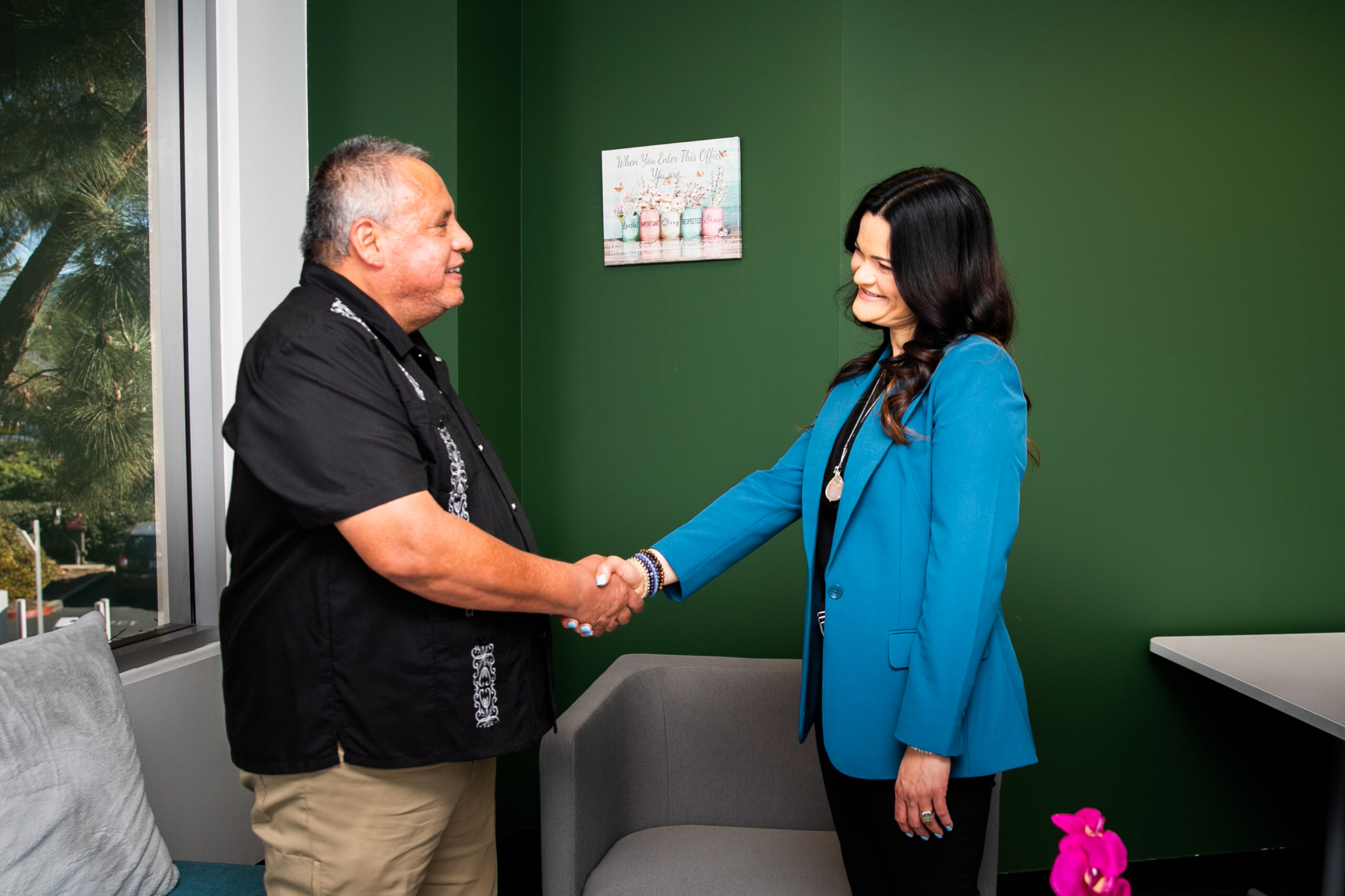
Explore Whether Hypnosis Fits Your Recovery Plan
Use a private discovery call to discuss your goals, current professional support, and whether personalized hypnosis may be an appropriate complementary step.